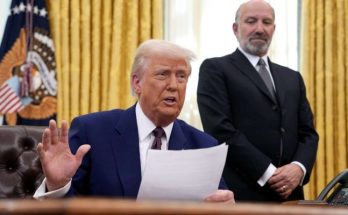
The U.S. House of Representatives has advanced major veterans benefits legislation that could provide significant financial relief to thousands of combat-injured military retirees. Approved through a voice vote on November 17, 2026, the proposal aims to correct a longstanding issue affecting veterans who medically retired before completing 20 years of military service. Under current federal rules, many of these retirees lose part of their military retirement payments when they also receive disability compensation from the Department of Veterans Affairs.
The proposed legislation would allow approximately 58,000 eligible veterans to collect both benefits without the existing reduction. According to congressional estimates cited by the Associated Press, affected retirees could receive approximately $1,450 more per month on average. Supporters say the change could help military families manage rising healthcare expenses, housing costs, and other financial responsibilities while recognizing the sacrifices made by service members injured during their military careers.
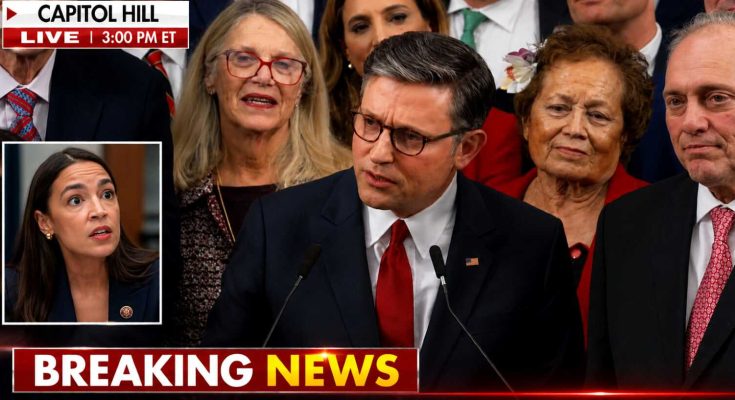
However, disagreements have emerged over how the expanded benefits would be funded. Republicans proposed adjusting future disability ratings for tinnitus and sleep apnea to offset some of the additional spending. Veterans already receiving compensation for these conditions would retain their existing payments, but future applicants could face different eligibility calculations. Democrats have criticized this approach, arguing that improving benefits for one group should not result in reduced compensation opportunities for other disabled veterans.
The legislation now faces further scrutiny as lawmakers consider its future in the Senate. The Veterans of Foreign Wars also raised concerns about the lack of a recorded House vote, emphasizing the importance of transparency when decisions affect military families. Meanwhile, Democrats are pursuing an alternative proposal with a different funding approach. Although both parties recognize the importance of supporting injured veterans, disagreements over spending and eligibility remain. Until a bill passes both chambers and receives presidential approval, existing federal compensation rules will remain in effect.